Feature pieces play a crucial role in shaping the identity of a room. They draw attention, provide personality, and create a focal point around which the entire space can be designed. A well-chosen feature can define the atmosphere and function of a room instantly.
Such elements might include a striking piece of furniture, artwork, or architectural detail. Their presence often influences colour schemes, layout, and even lighting choices, giving coherence to the interior design.
By introducing contrast or harmony, feature pieces guide the eye and set the tone without overwhelming the space. This makes them essential tools in thoughtful and effective room design.
The Power of Feature Pieces in Defining a Room
Feature pieces shape the atmosphere and visual hierarchy within a room. They draw the eyes, create interest, and often reveal something unique about the occupant. Whether in a living room or bedroom, these elements provide clear character and functionality.
The Impact of Feature Walls on Room Atmosphere
Feature walls transform the mood of any space. A bold colour, textured wallpaper, or a mural can instantly change a living room’s energy. This single wall becomes a backdrop that anchors furniture and décor choices around it.
In bedrooms, feature walls often highlight the headboard area, adding depth and focus to the room. They can make a small space feel larger or cosier, depending on hue and pattern. Careful selection boosts light reflection or introduces warmth, tailoring the atmosphere to user preference.
How Feature Pieces Create Focal Points
Feature pieces such as a bespoke armchair, an oversized mirror, or a sculptural lamp serve as natural focal points. These items guide the eye and organise spatial flow, making the room easier to navigate visually.
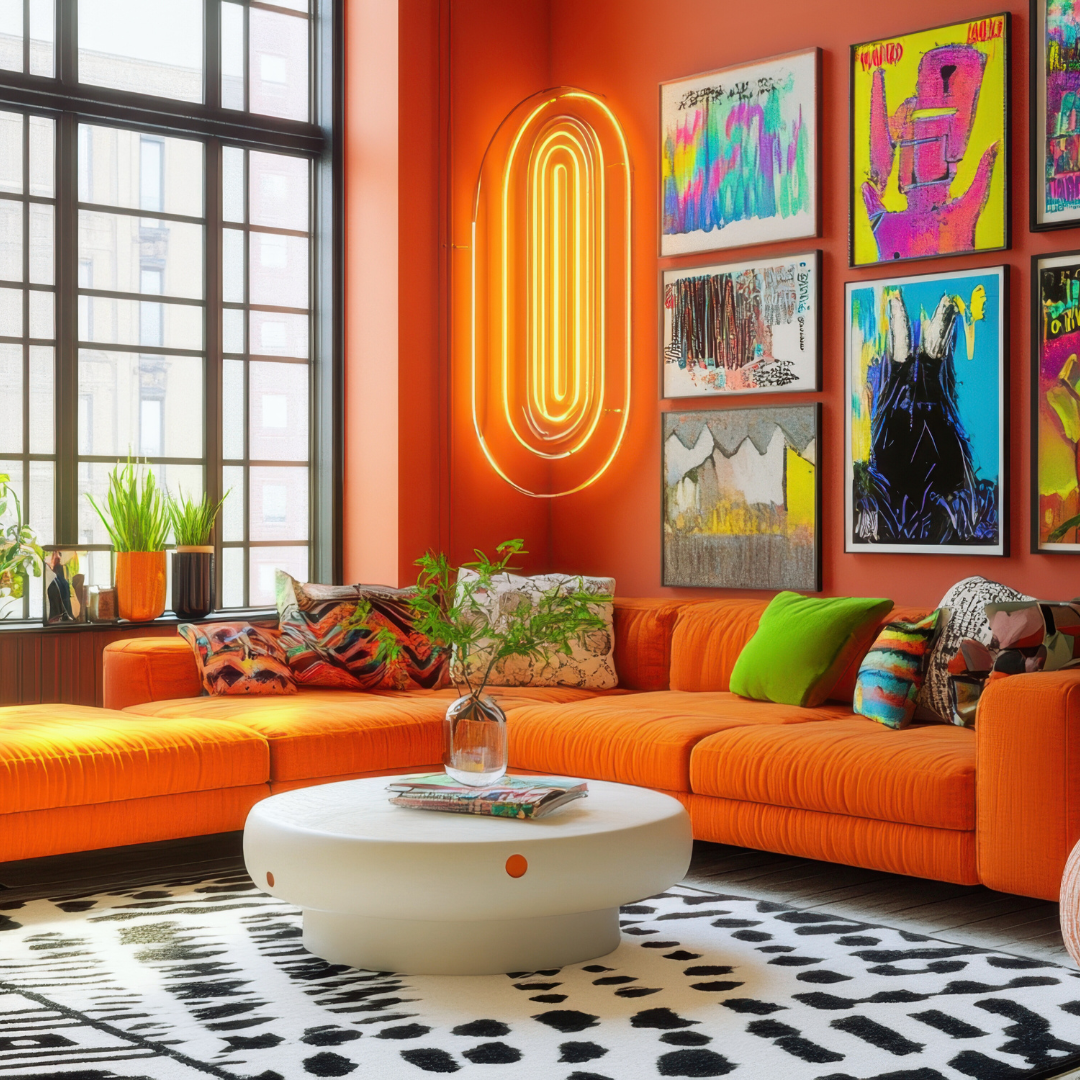
In interior design, focal points prevent visual chaos by concentrating attention on one or two anchoring pieces. In a living room, a feature wall paired with statement art or a bold rug works together to balance and structure the space. In a bedroom, a unique bedside table or pendant light can serve a similar function.
Reflection of Personality Through Feature Pieces
Feature pieces express personality and lifestyle without words. A classic Chesterfield sofa in a living room suggests tradition and comfort, while a brightly patterned feature wall shows boldness and creativity.
Items chosen for bedrooms might reflect calmness or playfulness, depending on individual taste. Personalised feature pieces—such as family photographs displayed on a feature wall or handcrafted furniture—offer insight into the occupant’s identity and values, making the space distinctively theirs.
Selecting and Designing Feature Pieces
Feature pieces demand careful selection and design to create the right impact in a room. This involves choosing the appropriate wall or element, deciding between different materials like wallpaper, paint, or panelling, and considering how bold patterns and dark colours influence the overall aesthetic. Alignment with existing décor is crucial to maintain harmony.
Choosing the Right Wall or Element
The chosen wall for a feature piece should naturally draw attention without overwhelming the space. Typically, the longest or most visible wall in a room works best for a feature wall. Walls behind furniture, like a sofa or bed, are popular choices because they anchor key areas.
Other architectural elements, such as fireplaces or alcoves, also serve as excellent candidates. Avoid selecting walls cluttered with doors or windows, as this limits the design area and can disrupt the visual flow. Lighting on the feature wall must be considered to highlight its qualities effectively.
Deciding Between Wallpaper, Paint, and Panelling
Wallpaper provides texture and design complexity, often with patterns or finishes that paint cannot easily replicate. It suits rooms where a statement texture or detailed design is desired. Wallpaper with subtle sheen or metallic accents adds dimension in well-lit spaces.
Paint is more versatile and easier to change. It allows experimenting with strong, dark colours without overpowering a room. Matt or eggshell finishes work best to absorb light and reduce glare on large walls.
Wood panelling lends a tactile, structural element to interiors. It complements traditional or modern interiors, especially when using natural stains or painted finishes in muted shades. Panelling is durable but requires more installation time and investment compared to paint and wallpaper.
Incorporating Bold Patterns and Dark Colours
Bold patterns introduce visual interest and can define the room’s character. Large-scale florals, geometric prints, or abstract designs attract the eye and establish a focal point. When using bold patterns, balance surrounding walls with neutral or light colours to avoid visual clutter.
Dark colours on feature walls create depth and intimacy without shrinking the room if properly lit. Deep blues, charcoal greys, forest greens, or rich browns work well. Dark colours contrast ideally with light flooring, ceilings, and furniture, emphasising the feature wall’s impact.
Aligning Feature Pieces With Existing Decor
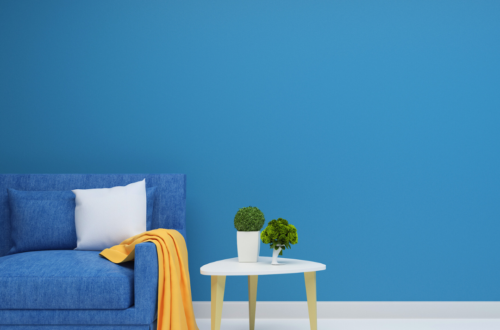
Feature pieces must complement, not conflict with, the room’s existing elements. The colours and patterns should echo or accentuate furniture, textiles, and accessories to ensure cohesion. For example, a wallpaper with blue tones pairs well with a navy sofa or teal cushions.
Materials and finishes should also correspond with other surfaces in the space. Glossy paint or metallic wallpapers may clash with rustic wood furniture unless balanced carefully. Consistency in style — modern, traditional, or eclectic — aids in seamless integration of the feature piece.
Integrating Feature Pieces Within the Space
Feature pieces must be positioned thoughtfully to enhance the room’s purpose and style. The relationship between furniture arrangement, room type, and visual balance shapes how these elements define the space.
Furniture Placement for Maximum Effect
Strategic furniture placement directs attention to the feature piece. For a living room, positioning a sofa opposite a fireplace transforms it into a natural focal point. Smaller feature items, like an armchair or statement coffee table, should complement the main seating without overcrowding.
In bedrooms, placing a bold headboard or unique bedside tables centrally encourages focus. Avoid blocking windows or doorways to maintain flow. Use rugs or lighting to anchor feature furniture and reinforce its prominence within the layout.
Room Types and Feature Focal Points
Different rooms require specific focal points. Living rooms benefit from highlighted fireplaces or large feature walls that invite gathering and conversation. Bedrooms often centre on the bedframe or textured walls behind it, creating a sense of restfulness.
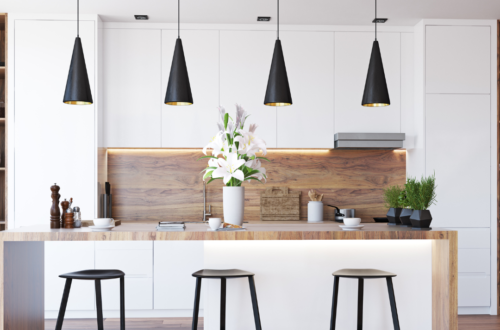
In dining spaces, tables or pendant lighting serve as natural feature pieces. Entryways can use bold mirrors or console tables to establish character right on arrival. Each room type offers unique opportunities for tailored feature integration.
Balancing Texture, Colour, and Furnishings
A feature piece should contrast but also harmonise with its surroundings through texture and colour. For example, a velvet armchair in a neutral-toned room adds depth without clashing. Feature walls painted in rich colours anchor the room when paired with subtler furnishings.
Material contrasts, like a sleek metal lamp beside a wooden side table, create visual interest. Balance prevents feature pieces from overwhelming the space, ensuring they enhance rather than dominate the room’s overall aesthetic.
Best Practices and Common Mistakes to Avoid
A feature piece should stand out without overwhelming the space. Careful choices help maintain balance and ensure the design remains relevant and harmonious with the rest of the room.
Avoiding Overcrowding and Visual Clutter
They should avoid placing too many bold patterns or multiple feature walls in one room. This can create visual confusion and reduce the impact of each element.
Choose one strong focal point, such as a feature wall with distinctive wallpaper or a bold paint colour. Keep the surrounding decor simple to let the feature stand out.
Furniture and accessories should complement but not compete with the feature piece. Overcrowding with different styles, colours, or textures diminishes the room’s clarity and flow.
Future-Proofing Design Choices
Feature walls or standout designs based on current trends may date the room quickly. It is better to select classic colours or textures that have lasting appeal.
For example, muted tones combined with subtle patterned wallpaper create an eye-catching yet timeless look. Avoid overly trendy patterns or neon colours that may lose favour in a few years.
Materials should be durable and easy to update. Paint offers flexibility, allowing future colour changes, whereas wallpaper selections should be carefully considered to avoid early obsolescence.
Maintaining Cohesion With Overall Design
A feature piece must align with the room’s architectural style and existing colour palette. Clashing designs disrupt the visual harmony.
If the room has neutral tones, a feature wall might introduce a single bold colour to add interest without overpowering. Alternatively, a textured wallpaper can enhance without stark contrast.
Coordination between furniture, lighting, and fabrics is essential. Each element should echo the feature’s style or colour to create a unified and intentional space.