Building a simple garden bench or planter is a practical way to add function and style to any outdoor space. It requires basic materials, common tools, and straightforward steps that even beginners can follow. The key to success is choosing the right design and materials that suit the garden’s size and weather conditions.
A well-made garden bench provides a comfortable spot to relax, while a planter brings greenery closer to where it’s needed most. Both projects can be completed in a few hours without specialised skills, making them perfect for weekend DIY efforts. With clear instructions, anyone can create attractive, durable garden furniture or planting solutions.
Understanding how to measure, cut, and assemble wood efficiently is central to this task. Attention to detail and following the correct order of assembly will ensure a sturdy, lasting result that fits the garden’s style and purpose.
Choosing Between a Garden Bench and a Planter
Deciding between a garden bench and a planter involves considering their functions, the space available, and the materials best suited for outdoor use. Each option serves different needs and aesthetics.
Benefits of Benches and Planters
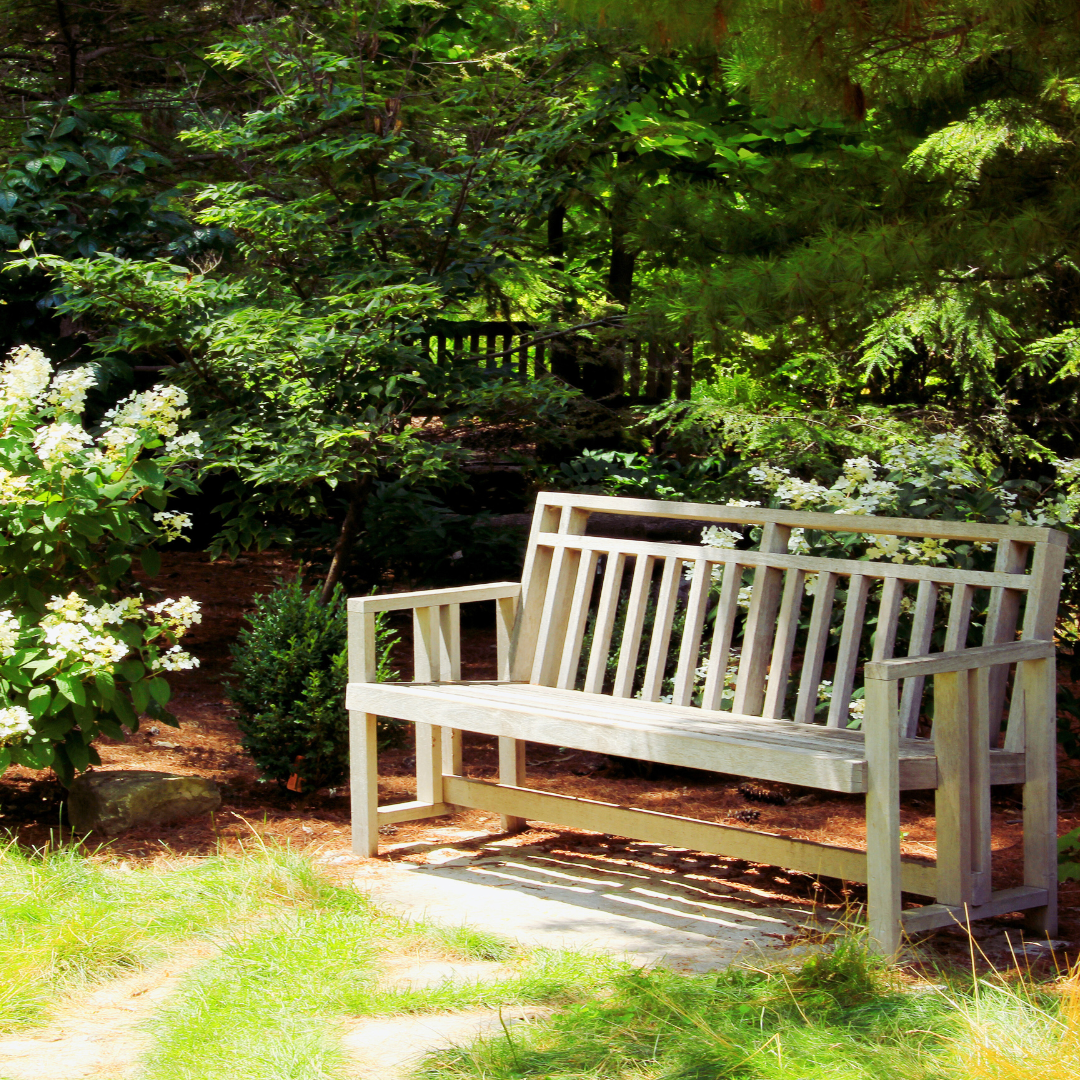
A garden bench provides seating and encourages relaxation. It can create a social spot or a quiet retreat. Benches also add structure and can act as a focal point in the garden.
Planters focus on plant display and garden organisation. They help contain plants and can improve soil conditions. Planters are versatile for small gardens or patios where planting directly in the ground isn’t possible.
Both enhance the garden visually but serve distinct purposes—benches promote usability, while planters enhance greenery and design.
Space and Design Considerations
Space size directly impacts whether to choose a bench or a planter. Benches usually require more room for seating comfort and access. A typical bench is around 120-150cm in length, needing clear space around it.
Planters work well in smaller gardens or confined areas. They can be placed along walls or corners without disrupting movement. Vertical planters offer additional planting space where horizontal space is limited.
Design style affects the choice, too. Benches fit into traditional or formal gardens; planters blend seamlessly into modern or minimalist designs. The decision should reflect the garden’s overall style.
Selecting Suitable Materials
Weather resistance is critical in choosing materials. Timber like cedar or redwood resists decay and suits both benches and planters. Pressure-treated wood is also an option but may require sealing.
Metal options include aluminium and stainless steel, which offer durability and a modern look. Metal benches often need cushions for comfort, while metal planters excel in structural strength.
Plastic and composite materials require minimal maintenance and are lightweight. They resist moisture and insect damage but may lack the natural aesthetic of wood or metal.
Material comparison:
| Material | Durability | Maintenance | Aesthetic |
| Cedar/Redwood | High | Moderate | Natural, warm |
| Pressure-treated | High | High | Natural but needs care |
| Aluminium/Stainless | High | Low | Modern, sleek |
| Plastic/Composite | Moderate | Low | Varies, less natural |
Essential Tools and Materials
Building a garden bench or planter requires specific materials and tools that ensure stability and durability. Selecting the correct components and locating quality items locally can streamline the process and improve the finished product.
Wood, Cinder Blocks, and Fasteners
The primary structural materials include treated timber or durable hardwood, which resist outdoor conditions and insect damage. Typical wood dimensions like 2×4 or 2×6 boards balance strength and manageability. Cinder blocks serve as sturdy, weather-resistant supports or legs, eliminating the need for complicated joinery.
Fasteners such as exterior-grade screws or galvanised nails are essential to hold components securely. Use stainless steel or coated fasteners to prevent rust and degradation over time. Wood glue can supplement fastening points for added strength, especially on joints.
Recommended Tools for Building
Basic woodworking tools suffice for this project. A handsaw or circular saw is required for cutting wood to size. A power drill with drill bits will make pilot holes and drive screws effectively.
Additional tools include a spirit level for ensuring flat assembly, a tape measure for accurate dimensions, and a screwdriver or impact driver. Safety equipment like gloves and safety goggles, is important to protect against splinters and debris.
Sourcing Quality Materials Locally
Local builders’ merchants and garden centres often stock pressure-treated timber and cinder blocks suitable for outdoor use. Visiting these suppliers allows inspection for damage or warping before purchase.
Reclaimed wood can be an economical and sustainable option, but it must be checked for nails or rot. Confirm the materials’ weather resistance, especially if the bench or planter will be exposed to rain and sun. Buying fasteners in bulk can also reduce costs when completing multiple projects.
Step-by-Step Guide to Building Your Garden Bench or Planter
Gathering the right materials and tools, following precise assembly steps, finishing the project properly, and maintaining safety throughout are critical to success. Each stage builds on the previous one to ensure a sturdy and attractive result.
Cutting and Preparing Materials
Accurately measure and mark the wood pieces before cutting. Typical materials include treated pine or cedar for durability. For a bench, prepare legs, seat slats, and supports; for a planter, cut panels and base sections.
Use a saw rated for wood, such as a circular saw or miter saw, ensuring clean, straight cuts. Sand all edges smoothly to prevent splinters. Remove dust with a brush or cloth before assembly.
Check that all screws, nails, and fixings are suitable for outdoor use to resist rust. Sorting and preparing fasteners before starting will streamline the build process.
Assembly Instructions
Begin by attaching legs or side panels to the main frame using weather-resistant screws. Use clamps to hold parts steady while fastening. For benches, install seat slats evenly spaced.
Check the structure for squareness regularly with a carpenter’s square or by measuring diagonals. Tighten all connections but avoid over-tightening, which can crack the wood.
For planters, ensure drainage holes are drilled in the base. Assemble panels securely and seal joints with exterior-grade wood glue before screwing to increase stability.
Finishing Touches and Decoration
Apply a weatherproof wood sealer or outdoor paint after assembly to extend the lifespan. Choose colours that complement the garden environment or keep the natural wood look with a clear finish.
Consider adding decorative elements like carved patterns, stencils, or planting hooks for planters. Sand any rough spots after finishing to smooth the surface.
Allow finishes to dry completely outdoors before use. Regularly inspect and reapply protective coatings every year or as needed.
Safety Tips and Best Practices
Always wear eye protection and gloves while cutting and assembling wood to prevent injury. Work in a well-ventilated area, especially when using paints or sealants.
Keep tools in good condition, checking blades and bits for damage before use. Follow the manufacturer’s instructions for each power tool.
Lift heavy parts carefully to avoid strain. Store leftover materials and tools safely away from children and pets.
Maintenance and Longevity
Proper care extends the life of a garden bench or planter and preserves its appearance. Attention to protection from moisture and regular upkeep will prevent early wear and damage.
Weatherproofing Techniques
Applying a suitable sealant is crucial to protect wood from moisture. Wood oils, varnishes, or water-repellent stains form a barrier that reduces water absorption and prevents warping or rotting.
Sanding the surface before treatment ensures better adhesion. It is advisable to reseal the wood every 1-2 years, depending on exposure to weather conditions.
Using elevated feet or rubber pads under the bench or planter keeps it away from direct ground contact, limiting moisture exposure and decay. Metal components should be coated with rust-resistant paint to avoid corrosion.
Seasonal Care Tips
Before winter, it is important to clean debris, leaves, or soil off the surface to prevent mould and mildew growth. A gentle soap wash, followed by drying, maintains cleanliness.
If possible, store lightweight benches or planters indoors during harsh weather. For fixed items, cover them with breathable, waterproof covers to minimise moisture buildup and allow airflow.
Inspect the structure regularly for loose screws or cracks. Tighten hardware and address small issues promptly to prevent more extensive damage during freeze-thaw cycles.