Planning a low-maintenance garden layout begins with selecting hardy plants suited to the local climate and soil. Choosing drought-resistant perennials and native species reduces watering and care needs significantly. Grouping plants with similar care requirements also helps streamline maintenance routines.
Incorporating hard landscaping elements like gravel paths, mulch, and raised beds can cut down on weeding and soil erosion. Thoughtful garden design minimises labour while maintaining an attractive and functional outdoor space. This approach allows gardeners to enjoy their garden without constant upkeep.
Key Principles of a Low-Maintenance Garden Layout
Creating a garden layout that requires minimal upkeep relies on smart plant choices, efficient design, and understanding environmental factors. The approach reduces time spent on maintenance tasks while ensuring the garden remains attractive and functional.
What Constitutes a Low-Maintenance Garden
A low-maintenance garden uses plants that thrive with little watering, pruning, or pest control. It favours native or drought-tolerant species suited to the local climate. Hard landscaping materials like gravel, paving, and mulch minimise weed growth and reduce soil erosion.
Design elements such as raised beds or self-watering systems can automate care. Grouping plants with similar needs reduces complexity. The layout should avoid dense, high-maintenance arrangements like intricate flower beds or lawns that require frequent mowing.
Benefits of Low-Maintenance Gardening
Low-maintenance gardening saves time and reduces ongoing costs for water, fertilisers, and pest control products. It supports environmental sustainability by conserving water and encouraging local wildlife with appropriate plant selections.
A simple design reduces stress for gardeners, providing more enjoyment with fewer chores. It also ensures the garden looks good year-round without constant intervention, which suits busy lifestyles or those with limited gardening experience.
Common Challenges and How to Address Them
Soil quality and drainage issues can impact plant health in a low-maintenance garden. Testing the soil beforehand and amending it as needed will improve success. Selecting plants adapted to the specific climate helps avoid problems with drought or frost.
Weeds and pests still require occasional attention. Using mulch, ground covers, and integrated pest management strategies can limit these issues. Planning for flexibility to replace plants or redesign sections prevents the garden from becoming overgrown or neglected.
Analysing Your Garden Site for Easy Care
Understanding the specific conditions of the garden site is essential for creating a low-maintenance layout. Key factors such as sunlight, soil characteristics, and existing vegetation shape the choice of plants and design strategies. Identifying these elements early ensures better soil health and optimised garden performance.
Evaluating Sunlight Exposure
The amount and duration of sunlight a garden receives directly affect plant growth and maintenance needs. Full sun areas, receiving at least six hours daily, support drought-tolerant species that require less watering. Partial shade spots suit plants needing protection from intense midday sun, reducing the risk of stress and disease.
Tracking sunlight at different times of day helps map microclimates within the garden. Using a simple chart or smartphone app can help record sunlight patterns. This data guides the placement of plants based on their light requirements, which improves soil quality and reduces long-term maintenance.
Understanding Soil Type and Drainage
Soil type determines water retention, nutrient availability, and root development, all critical for low-maintenance gardening. Sandy soils drain quickly but hold fewer nutrients, while clay soils retain water but may cause root rot if poorly drained. Loam soils are ideal due to balanced drainage and fertility.
Testing soil texture and drainage is straightforward. Dig a small hole and fill it with water; how quickly it drains indicates soil type. Amending soil with organic matter can enhance soil health and improve plant resilience, lessening upkeep. Matching plants to local soil conditions reduces the need for fertilisers or constant watering.
Assessing Existing Vegetation and Microclimates
Existing trees, shrubs, and structures create microclimates impacting temperature, moisture, and wind exposure. Large trees may shade parts of the garden, lowering sunlight but also reducing water evaporation. Understanding these effects allows for the smart placement of new plants.
Noting areas prone to frost pockets or strong winds helps select hardy species suited to those stresses. Retaining some native vegetation supports soil quality and local wildlife, decreasing gardening labour. Mapping these features before redesigning the garden layout prevents costly mistakes and excessive care.
Designing the Layout for Minimal Upkeep
A low-maintenance garden layout balances practicality with efficient use of space. It focuses on reducing time spent on watering, weeding, and general upkeep by thoughtful placement of garden elements and materials that suppress weeds and conserve moisture.
Creating Simple, Functional Zones
Dividing the garden into clear zones helps organise tasks and limits maintenance to specific areas. For example, a dedicated seating zone requires regular cleaning but no planting, while a vegetable patch needs more care.
Zones should reflect the garden’s main uses: relaxation, growing produce, or decorative planting. Keeping high-maintenance plants grouped together reduces scattered upkeep. Paths and access areas should be direct and easy to maintain, avoiding complex shapes that trap debris.
Using straightforward rectangular or square zones simplifies mowing and mulching. It also ensures efficient irrigation, preventing overwatering or dry patches within the garden layout.
Utilising Hardscaping and Raised Beds
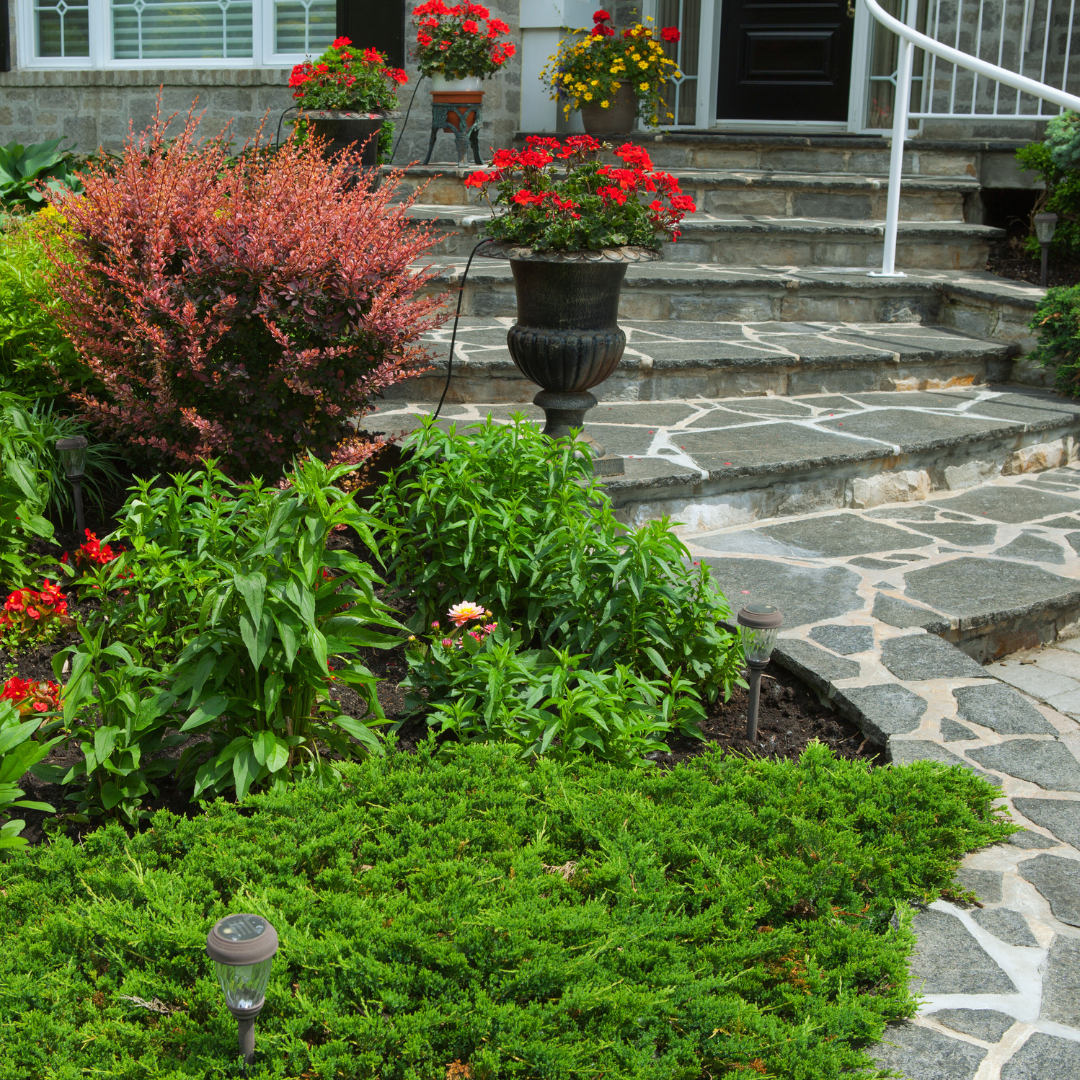
Hardscaping reduces the area of soil exposed to weeds and drought. Patios, stone pathways, and gravel beds create durable surfaces that require little ongoing care.
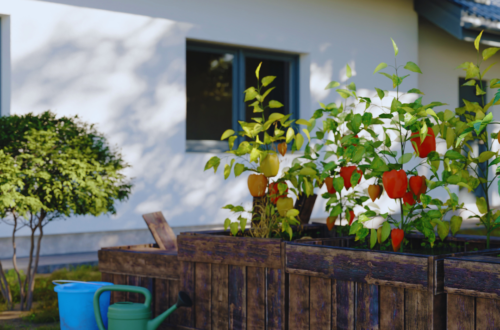
Raised beds concentrate planting soil, improving drainage and reducing weed intrusion. They also raise beds to a comfortable height, minimising bending and tidying tasks.
Materials like permeable pavers allow rainwater harvesting while preventing puddling. Raised beds should be lined with weed-suppressing fabric before filling to reduce labour.
Combining hardscaping with mulched planted areas balances aesthetics with practical weed suppression and moisture retention.
Maximising Ground Covers and Mulched Areas
Ground covers are low-growing plants that spread quickly, shielding soil and minimising weed growth. Examples include creeping thyme and clover, which reduce bare soil and lower watering needs.
Applying mulch over these areas enhances moisture retention and further suppresses weeds. Organic mulches like bark chips improve soil quality over time.
A minimum 5cm layer of mulch is recommended, replenished annually or as needed. Mulching also helps regulate soil temperature, reducing stress on plants.
Spreading ground covers with mulch in pathways and borders cuts down on maintenance and supports efficient irrigation by limiting evaporation.
Planning for Efficient Irrigation
An efficient irrigation system reduces water waste and maintenance time. Drip irrigation and soaker hoses deliver water directly to plant roots, promoting healthier growth with minimal watering.
Rainwater harvesting systems can be integrated to collect and reuse water, reducing reliance on the mains supply. Position irrigation zones based on plant watering needs, avoiding overwatering in drought-tolerant areas.
Timers and moisture sensors automate watering schedules, ensuring consistent care without manual intervention. Ensuring irrigation lines are easy to access simplifies repairs and adjustments.
Designing garden zones to match irrigation needs enhances overall system efficiency and helps maintain a low-maintenance garden.
Selecting Plants and Ongoing Maintenance Tips
A successful low-maintenance garden relies on smart plant choices and efficient care practices. Selecting hardy plants suited to the local climate reduces watering and pest control needs. Maintenance routines should focus on simple, effective methods to keep plants healthy with minimal effort.
Choosing Perennials and Native Plants
Perennials like coneflowers, yarrow, and hostas offer longevity and return year after year, reducing replanting work. Native plants are especially suited to local soil and weather conditions, which helps them resist disease and pests naturally.
Using native species encourages a balanced ecosystem, supporting beneficial insects such as ladybugs and lacewings that control pests. Evergreen shrubs, including boxwood, provide constant structure and require little pruning once established.
Incorporating Drought-Tolerant and Low-Care Varieties
Drought-tolerant plants, such as succulents, lavender, and ornamental grasses, need less frequent watering. These species thrive in dry conditions, reducing reliance on irrigation systems.
Choosing low-care plants helps prevent common issues like rot or fungus caused by overwatering. Ground covers are useful for suppressing weeds and retaining soil moisture, cutting down on watering and weeding time.
Strategies for Weed and Pest Management
Mulching with organic matter like compost limits weed growth by blocking sunlight. Mulch also improves soil health by slowly releasing nutrients.
Encouraging beneficial insects—ladybugs and lacewings—can reduce chemical pesticide use. Manual removal of weeds and regular inspection help catch problems early. Using perennial vegetables also diversifies the garden while requiring less intervention.
Essential Seasonal Maintenance Tasks
Pruning evergreen shrubs and deadheading perennials keeps plants healthy and encourages new blooms. Seasonal tasks should include removing dead foliage and applying compost in spring and autumn to boost soil fertility.
Irrigation systems should be adjusted seasonally to avoid overwatering, especially in cooler months. Regularly checking for pests and diseases ensures early treatment, minimising damage and ongoing care needs.