Repurposing old furniture offers a practical way to update a space without spending a lot of money. It involves giving items a new function or appearance through simple changes such as sanding, painting, or adding new hardware. This approach breathes new life into worn pieces and creates unique decor tailored to one’s style.
Many people overlook the potential of their existing furniture, assuming replacement is the only option. However, even basic modification techniques can transform an old chair, table, or cabinet into a fresh, stylish feature. Careful planning and the right tools make the process manageable for anyone.
Why Repurpose Old Furniture?
Repurposing old furniture offers practical benefits that combine environmental responsibility with personal and economic advantages. It allows individuals to extend the life of items while adding unique, customised touches to their living spaces.
Environmental and Sustainability Benefits
Repurposing old furniture reduces waste by diverting items from landfills. Many pieces, often made from solid wood or durable materials, are kept in use rather than discarded. This practice lessens demand for new resources, conserving trees and raw materials.
Additionally, it lowers carbon emissions associated with manufacturing and transporting new furniture. Upcycled furniture supports sustainable living by promoting reuse and reducing reliance on mass-produced items. It also minimises chemical use compared to remanufacturing, benefiting indoor air quality and the environment.
Economic and Personal Creative Advantages
Repurposing old furniture saves money by avoiding the cost of buying new pieces. It often costs less to refurbish or adapt existing items than to purchase new furniture of similar quality. This is especially valuable for those on tight budgets.
The process encourages creativity and personal expression. People can customise designs, finishes, and functions to suit their style. This can enhance the uniqueness of a home and provide satisfaction from hands-on work. Upcycled furniture often becomes a personalised statement piece reflecting the owner’s tastes.
Getting Started: Choosing, Sourcing, and Preparing Pieces
Repurposing old furniture begins with making informed decisions about what to use and where to obtain it. Proper preparation and attention to safety are essential before transforming pieces into refreshed, functional items.
Selecting the Right Pieces for Repurposing
When selecting furniture to repurpose, focus on structural integrity first. Look for sturdy frames and solid wood rather than particleboard or damaged veneers. Pieces like vintage chairs, dressers, or tables with strong bones provide a good starting point.
Check for signs of pests, rotten wood, or major splits. These can make restoration difficult or unsafe. Avoid overly intricate carvings if the plan is to paint or simplify the design.
Consider the size and style to ensure it fits your space and aesthetic. Functional elements like drawers or shelves increase usability after repurposing.
Where to Find Old Furniture
Old and vintage furniture can be sourced from second-hand shops, charity stores, flea markets, and online marketplaces such as Gumtree or eBay. Estate sales and auctions can offer unique pieces at reasonable prices.
Local recycling centres and curbside collections sometimes have items suitable for repurposing. Asking friends or family for unwanted furniture can also yield good finds.
Before purchasing, inspect items in person if possible. Photos online may hide defects. Transportation logistics should be planned, especially for bulky or heavy items.
Preparation and Safety Tips
Begin by cleaning all surfaces thoroughly with mild soap and water. Remove dust, dirt, and grease to ensure proper adhesion for paint or finish.
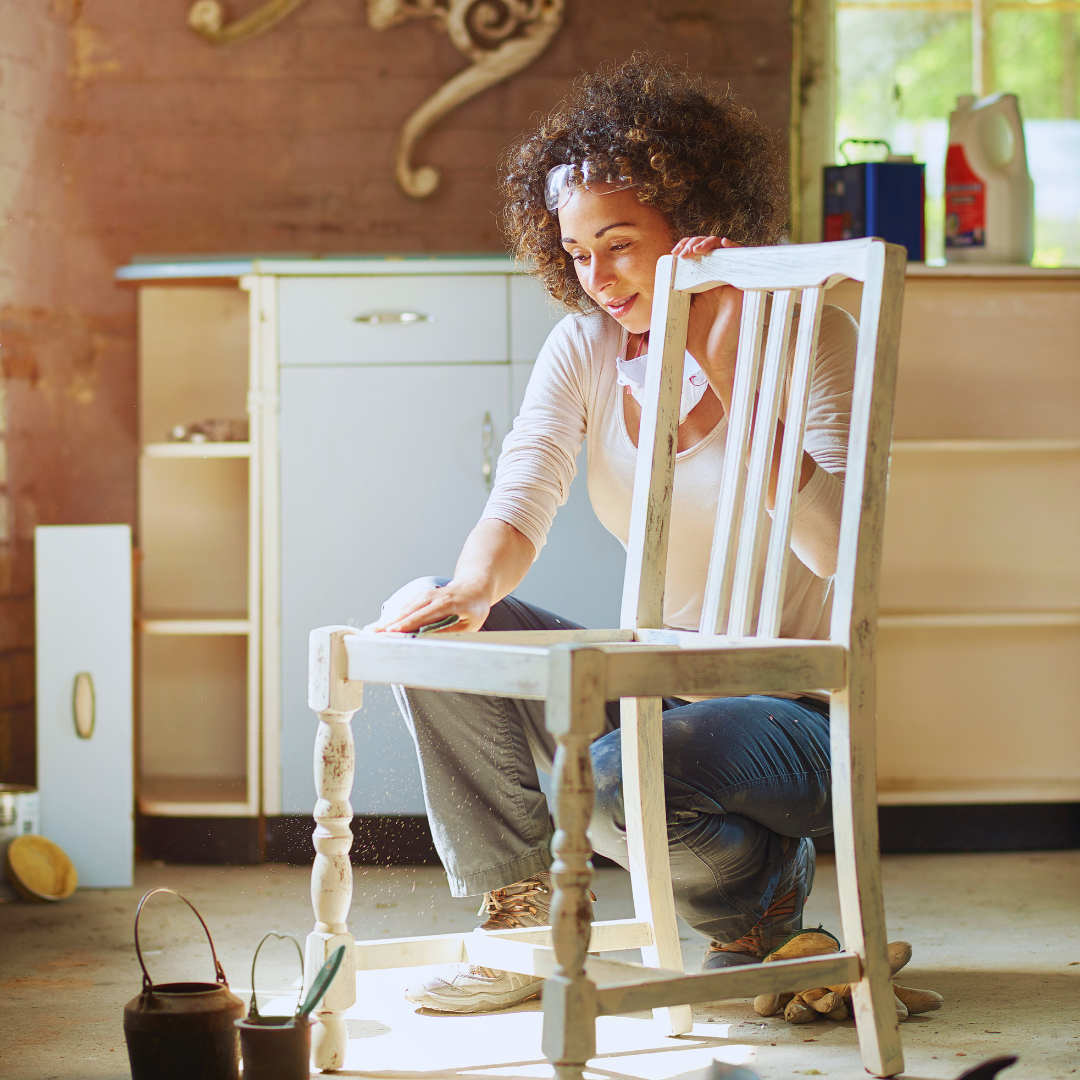
Use gloves, masks, and eye protection when sanding or stripping finishes, especially if old paint may contain lead. Work in a well-ventilated area to avoid inhaling dust or fumes.
Disassemble removable parts carefully to avoid damage. Sand rough spots and repair minor cracks with wood filler. Testing finishes on small, hidden areas helps assess compatibility and appearance before full application.
Keeping tools organised and the workspace clear reduces the risk of accidents.
Popular Ways to Repurpose Old Furniture for a Fresh Look
Repurposing old furniture often includes updating surfaces, changing upholstery, and creatively altering its use. These approaches can transform worn or outdated items into functional, stylish pieces with minimal cost and effort.
Painting and Refinishing Techniques
Painting is a straightforward way to refresh old furniture. Using chalk paint or milk paint creates a matte, vintage look without extensive sanding or priming. For a more durable finish, enamel or spray paints protect surfaces like wood or metal.
Refinishing involves stripping old finishes and applying new stains or varnishes. This highlights the wood’s natural grain and can restore the piece’s original character. Protective topcoats safeguard against wear and damage.
Techniques such as distressing or layering colours provide texture and visual interest. Proper surface preparation, including cleaning and light sanding, ensures paint or varnish adheres well for long-lasting results.
Reupholstering and Textile Updates
Replacing fabric gives chairs, sofas, and ottomans a completely new look. Selecting durable, stain-resistant fabrics extends the furniture’s lifespan in busy areas. Removing old staples and padding allows for a neater, more comfortable finish.
Adding foam or batting beneath the new fabric improves comfort. Simple sewing skills or kits for DIY furniture make the process accessible for beginners. Patterns or textured fabrics can modernise classic designs.
Small textile updates like changing cushions or adding throws complement upcycled furniture projects. These updates are cost-effective and allow quick style changes without significant effort.
Creative Upcycling Projects
Upcycling furniture involves repurposing items beyond their original function. Old drawers can become wall shelves, or a wooden crate can transform into a storage box or plant holder.
Using reclaimed furniture parts in new assemblies encourages sustainable DIY furniture projects. Combining pieces from different items creates unique, custom furniture that suits specific needs or spaces.
Adding decorative hardware or mixing materials like metal and wood can modernise or personalise reused furniture. Safety and stability remain key; structural changes must be secure and functional.
Functional Transformations
Functional transformations focus on adapting furniture to new purposes. For example, a wooden ladder becomes a bookshelf, or a dresser drawer changes into a coffee table tray.
Converting furniture for storage, such as turning an old trunk into a storage bench, maximises utility while refreshing the item’s aesthetic. Functionality upgrades can include adding wheels or handles for portability.
These projects require planning to ensure dimensions and design meet new uses. Proper tools and hardware improve durability and usability in upcycled furniture projects.
Repurposed Furniture Ideas for Every Room
Repurposed furniture can offer practical solutions tailored to the needs of different spaces. From creating functional storage to enhancing aesthetic appeal, specific ideas work best depending on the room and its purpose.
Living Room Ideas
Old wooden crates can be transformed into stylish coffee tables or storage units with a coat of paint and added wheels. A worn-out ladder can become a unique shelf for displaying books or plants.
Repurposed drawers can be attached to walls as floating shelves, ideal for holding remotes, magazines, or decorative items. Upholstering an old armchair with fresh fabric provides an instant update, making the piece a statement without full replacement.
Bedroom and Bathroom Solutions
In bedrooms, a vintage dresser can be upcycled into a chic vanity by adding a mirror and refitting handles. An old suitcase stacked on legs can serve as a bedside table with ample internal storage.
For bathrooms, wooden pallets sealed against moisture can be turned into towel racks or shelving units. Chairs with worn seats make excellent laundry baskets by attaching fabric or baskets over the frame.
Outdoor and Garden Furniture Transformations
Weathered tables can be restored and painted with outdoor varnish, becoming practical garden workbenches or potting stations. Old doors repurposed as garden benches or trellises add rustic charm and function.
Repurposed wooden crates stacked and secured as durable planter boxes or storage for garden tools. Metal chairs or stools can be refreshed with rust-proof paint to create durable seating for patios or balconies.