Updating a room on a budget is entirely possible with some simple DIY techniques. It does not require expensive materials or professional help to make a noticeable difference in the space. Small changes like repainting, rearranging furniture, or adding affordable decorative elements can transform a room.
The key to updating a room with DIY on a budget lies in planning, creativity, and using cost-effective materials effectively. This approach ensures the changes look intentional and cohesive without overspending. Anyone can achieve a fresh look by focusing on a few strategic adjustments.
They can also save money by repurposing old items or shopping for second-hand materials. Understanding these basics helps make the project manageable and satisfying, encouraging further improvements in the future.
Planning Your DIY Room Update on a Budget
Effective planning ensures an efficient use of funds and time when updating a room on a budget. Knowing where to allocate money, which projects offer the best value, and managing the schedule can save hassle and unnecessary expense.
Setting a Realistic Budget
He should start by determining the total amount available for the update. This budget must cover all costs: materials, tools, any necessary permits, and unexpected expenses. Setting aside a contingency fund of 10-15% is advisable to avoid overspending.
Creating a detailed list of materials with approximate prices helps track spending. Comparing prices online and in local stores can uncover savings. Using secondhand or repurposed items can further reduce costs without compromising style.
Prioritising Projects for Maximum Impact
He should focus on changes that significantly alter the room’s appearance without high costs. Painting walls, updating fixtures, and improving lighting typically provide the most visible improvements for less money.
Items like large furniture or structural changes usually require more budget and labour, so save those for later. Prioritising small but effective updates ensures quick progress and visible results that can motivate continued effort.
Managing Your Timeline Efficiently
He needs to plan a clear timeline that matches personal availability and project complexity. Breaking down tasks into daily or weekly goals keeps the update manageable and prevents burnout.
Some projects require drying or curing times, such as paint or adhesives. Scheduling these steps correctly avoids delays. Flexibility is essential; delays can occur, but realistic expectations will keep the work on track.
High-Impact DIY Upgrades for Any Room
Simple improvements can significantly alter the look and feel of a space without extensive expense. Attention to walls, fixtures, furniture, and lighting creates a balanced transformation that suits any room, especially in living areas where comfort meets style.
Refreshing Walls with Paint or Wallpaper
Painting walls is a cost-effective way to update a room instantly. Choosing neutral or soft colours can make spaces feel larger and more inviting. For a bolder approach, adding an accent wall with a contrasting colour or pattern grabs attention without overwhelming the room.
Wallpaper offers texture and design where paint may not suffice. Peel-and-stick wallpaper is affordable and easy to apply, avoiding long-term commitment. Patterns in geometric shapes or subtle florals revitalise walls and can complement existing décor.
Preparation is essential; walls must be clean and smooth for paint or wallpaper to adhere properly. Using sample pots before committing to full coverage helps avoid costly mistakes.
Updating Hardware and Fixtures
Replacing dated hardware on doors, cupboards, and drawers provides a fresh look quickly. Handles and knobs in brushed metal or matte black finish are popular for modernising kitchens and bedrooms.
Fixtures such as taps, light switches, and curtain poles influence the room’s overall appeal. Affordable updates here can make old rooms appear more contemporary. Prioritise easy-to-install items to save time and reduce plumbing or electrical work.
A simple swap of cabinet handles can take less than an hour and requires just basic tools. This approach saves money compared to full replacements while noticeably enhancing a room’s appearance.
Revamping Furniture with Paint or Upholstery
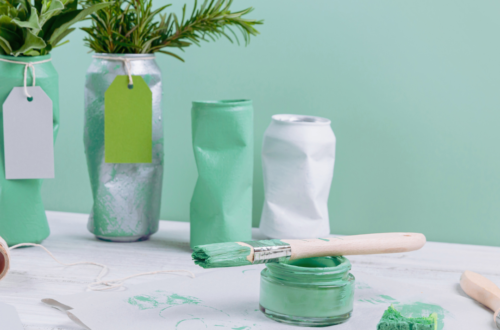
Furniture can be refreshed rather than replaced to save money. Applying chalk paint to wooden surfaces removes the need for sanding, and drying times are quick. Colours like muted greens, greys, or pastels suit most living rooms.
Reupholstering chairs or cushions allows for new textures and patterns that complement wall colour and flooring. Fabric choices should be durable and stain-resistant, especially in high-traffic areas.
Small details, such as replacing worn feet or adding decorative trims, elevate furniture style. This process requires attention to quality materials but is less expensive than buying new pieces.
Enhancing Lighting on a Budget
Lighting dramatically changes the room atmosphere. Replacing standard bulbs with warm LED options saves electricity and improves comfort.
Adding lamps or wall sconces introduces ambient light without rewiring. Position lights near seating areas for reading or general use.
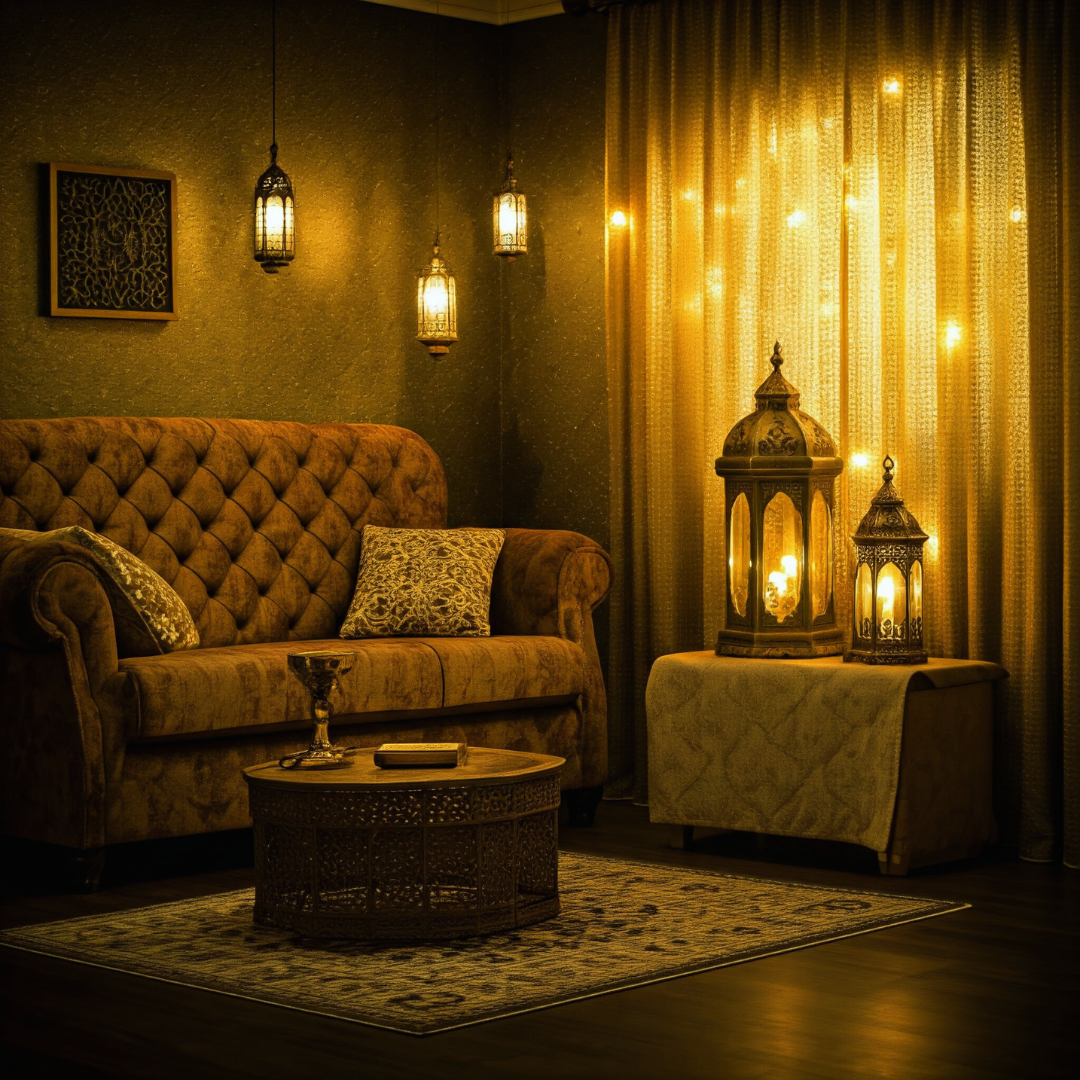
DIY projects such as creating customised lampshades or using fairy lights inside glass jars provide unique styles at minimal cost. Smart use of reflected light from mirrors also brightens darker rooms without additional fixtures.
Affordable Décor Solutions and Finishing Touches
Refreshing a room on a budget is achievable by focusing on small additions and creative touches that bring style without large expenses. Paying attention to textiles, wall art, architectural details, and natural elements can elevate a space effectively.
Incorporating Throw Pillows and Textiles
Throw pillows are one of the easiest ways to update a room quickly. Choosing pillows with varying textures, patterns, and colours can add depth and interest to an existing sofa or chair. Mixing solids and prints, such as stripes or florals, creates a curated yet comfortable look.
Textiles like throws, rugs, and curtains contribute to warmth and cohesion. A soft, neutral rug can ground a seating area, while a patterned curtain brightens a window without overwhelming the room. Opting for washable fabrics is practical and budget-friendly for long-term use.
Creating a Gallery Wall with Budget Finds
A gallery wall transforms bare walls into a focal point and can be built affordably with thrifted frames and inexpensive prints. Selecting frames in uniform colours like black or white keeps the look cohesive, even if frame styles vary.
Prints can be sourced from online outlets offering free downloads or affordable art posters. Grouping artwork around a common theme or colour palette strengthens visual unity. Layout planning before hanging ensures proper spacing and balance without multiple holes.
DIY Architectural Features: Crown Moulding and Board and Batten
Installing crown moulding adds architectural interest and value with minimal cost. Pre-cut foam moulding is lightweight, inexpensive, and easy for novices to install with adhesive and finishing nails. It requires light sanding and painting for a professional look.
Board and batten wall treatments increase character and texture by installing vertical battens over a painted wall. This can be done using affordable MDF strips cut to size. Battens are spaced evenly and painted the same colour as the wall or a contrasting shade to highlight the feature.
Styling with Plants and Natural Elements
Incorporating plants introduces life and freshness to any room while remaining cost-effective. Low-maintenance varieties like snake plants or pothos require minimal care and thrive indoors. Using pots of different sizes and materials—ceramic, terracotta, or woven baskets—adds texture.
Natural elements such as wooden bowls, stone coasters, or driftwood sculptures provide subtle decoration that complements most styles. These items can often be sourced second-hand or gathered locally to maintain budget limits without sacrificing impact.
Room-by-Room Tips for Maximum Value
Targeted improvements in each room can stretch a budget effectively. Choosing changes that provide the most visual impact while controlling costs is key.
Living Room Refresh Ideas
A simple repaint with a neutral or light colour instantly brightens the space. It can make the room feel larger and more inviting.
Updating soft furnishings like cushions and throws with second-hand finds or DIY covers adds freshness without large expense. Rearranging furniture to improve flow often makes a big difference.
Consider adding inexpensive wall art or shelves to personalise the space. Swap heavy curtains for lighter, breathable fabrics to save money on heating and let in more natural light.
Bedroom Transformations
Replace bedding with budget-friendly options in solid colours or simple patterns to create a coordinated look. Decluttering surfaces and under-bed storage improves orderliness, boosting the room’s appeal.
A fresh coat of paint behind the bed as an accent wall adds style at a low cost. Small decorative choices, such as updating lampshades or adding a rug, can enhance comfort affordably.
Maximising natural light and minimising bulky furniture helps create a restful atmosphere and improves the perception of space.
Small Space Makeover Strategies
Using multifunctional furniture like ottomans with storage saves space and money. Mirrors placed strategically can visually expand the area.
Opt for vertical storage solutions, such as tall shelves or wall hooks, to free up floor space. Reducing unnecessary items and focusing on essential, quality pieces improves both function and feel.
Light colours and clear glass or acrylic furniture offer a less cluttered appearance, making the room feel airier.