Creating a garden oasis doesn’t have to drain your wallet. By focusing on strategic planning, smart plant choices, and DIY elements, anyone can craft a relaxing outdoor space without overspending. The key to designing a budget-friendly garden oasis lies in prioritising cost-effective materials and sustainable gardening practices.
Using native plants, repurposed items, and simple landscaping techniques helps control costs while adding character. Thoughtful design that maximises space and natural features ensures the garden feels inviting and personalised.
With practical tips and careful decisions, this guide will show how a stunning garden retreat is achievable on a tight budget. It encourages creativity and resourcefulness, making the dream of a garden oasis accessible to all.
Planning a Budget-Friendly Garden Oasis
Creating a budget-conscious garden oasis starts with clear intentions and practical steps. It involves shaping a realistic vision, establishing financial limits, and arranging the outdoor space efficiently to maximise value.
Defining Your Garden Oasis Vision
The first step is to visualise the purpose and style of the garden oasis. Whether it’s a relaxing retreat, a play area, or a space for entertaining, the vision directs all design choices.
She should consider elements such as plant types, furniture, paths, and features like water or fire pits. It helps to gather inspiration from photos or garden magazines to clarify preferences.
Focusing on achievable ideas based on local climate and space limits saves money in the long run. Simplicity often results in a more manageable and affordable garden.
Setting Priorities and Budget
Setting clear priorities is essential for balancing desires and cost. He must list must-have features separately from nice-to-haves to allocate funds effectively.
A practical approach is to divide the budget into categories like plants, furniture, soil preparation, and decorative items. Tracking expenses against these categories keeps spending on track.
Using cost-effective materials and repurposing items can stretch the budget. For instance, reclaimed wood, second-hand pots, or bulk-buying seeds reduce initial outlay.
Prioritising investments in lasting, low-maintenance elements prevents ongoing expenses. This method helps maintain a welcoming backyard oasis without overspending.
Sketching and Zoning Your Outdoor Space
Creating a simple sketch of the garden helps organise ideas and space. She should measure the area and mark existing features like trees and pathways.
Zoning divides the garden into functional areas, such as seating, planting beds, and open play spaces. This clarity prevents clutter and optimises use.
A scaled drawing allows visualising how components fit and interact. It also aids in planning irrigation, lighting, and pathways efficiently.
Using graph paper or digital tools can streamline the sketching process. Detailed zoning ensures the backyard oasis is both attractive and practical within budget limits.
Affordable Plant Selection and Greenery
Creating a budget-friendly garden involves careful plant selection that balances aesthetics with low maintenance. Focusing on hardy plants that thrive in the local climate reduces costs related to water, fertilisers, and replacements.
Incorporating Perennials and Shrubs
Perennials and shrubs provide lasting structure and greenery with minimal annual expense. Plants like hosta and lavender offer lush foliage and blooms that return year after year.
Shrubs such as boxwood or spirea serve as natural borders and focal points, reducing the need for costly garden redesigns. Applying mulch around perennials conserves moisture and suppresses weeds, cutting ongoing maintenance expenses.
Choosing plants that grow well in your soil and light conditions ensures healthy growth, lowering the chance of loss and replanting costs.
Choosing Native and Low-Maintenance Plants
Native plants are adapted to the region’s climate and wildlife, making them resilient and affordable choices. They generally require less watering and fertiliser, and support pollinators like bees and butterflies.
Examples include native grasses and flowering plants suited for the local soil. Low-maintenance species reduce labour and materials needed to keep the garden thriving.
Using native plants creates a sustainable environment and cuts back on replacement or special care costs typical of exotic species.
Adding Flowering Vines and Ornamental Grasses
Flowering vines such as clematis or honeysuckle add vertical interest without taking up much ground space. They bloom profusely and attract pollinators, enhancing garden vitality for minimal investment.
Ornamental grasses provide texture and movement in the garden year-round. Their drought tolerance reduces water bills, and varieties like fountain grass are visually striking with little upkeep.
These plants can fill in gaps quickly and require limited pruning, helping maintain a neat appearance without significant time or cost.
Utilising Potted Plants and Hanging Planters
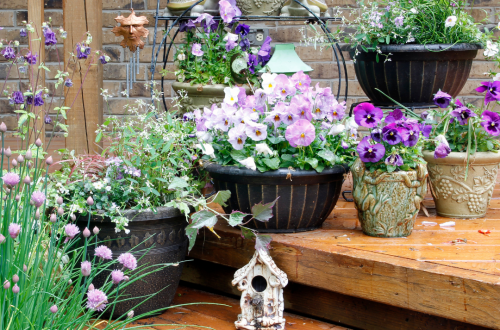
Potted plants and hanging planters allow flexibility in decoration and can be moved according to season or needs. Choosing affordable containers and seasonal flowers lets gardeners refresh their space without large expenses.
Using pots for herbs or smaller shrubs enables control over soil quality and moisture levels, reducing plant stress and losses. Hanging planters decorated with trailing plants like ivy or flowering vines brighten vertical spaces.
This approach can complement existing beds or patios, adding lush greenery without major landscaping changes.
Creating Inviting Features on a Budget
Designing outdoor areas with a welcoming atmosphere doesn’t require a large budget. A few creative strategies focus on utilising affordable or recycled materials and arranging seating for comfort and functionality.
Repurposing Materials for Outdoor Furniture
Repurposing old items like crates, barrels, or unused doors can provide sturdy bases for garden furniture. Sanding and applying weatherproof paint or sealant protects surfaces from the elements, extending their lifespan.
Using an old wooden door as a tabletop, supported by cinder blocks or sturdy legs, creates a large, durable surface at a fraction of the cost of new furniture. Cushions made from outdoor fabric improve comfort without significant expense.
This approach reduces waste and offers customised pieces that suit the garden’s style. It also allows gardeners to adjust dimensions and design to fit specific spaces.
Establishing Cosy Seating and Dining Areas
Positioning seating near natural features or underneath shade trees makes outdoor spaces more inviting. Combining compact benches and foldable chairs maximises seating without overcrowding.
Adding simple textiles like cushions, throws, or outdoor rugs enhances comfort and defines specific zones, encouraging longer use. Sales and second-hand stores often have affordable pieces that can become statement items with minor updates.
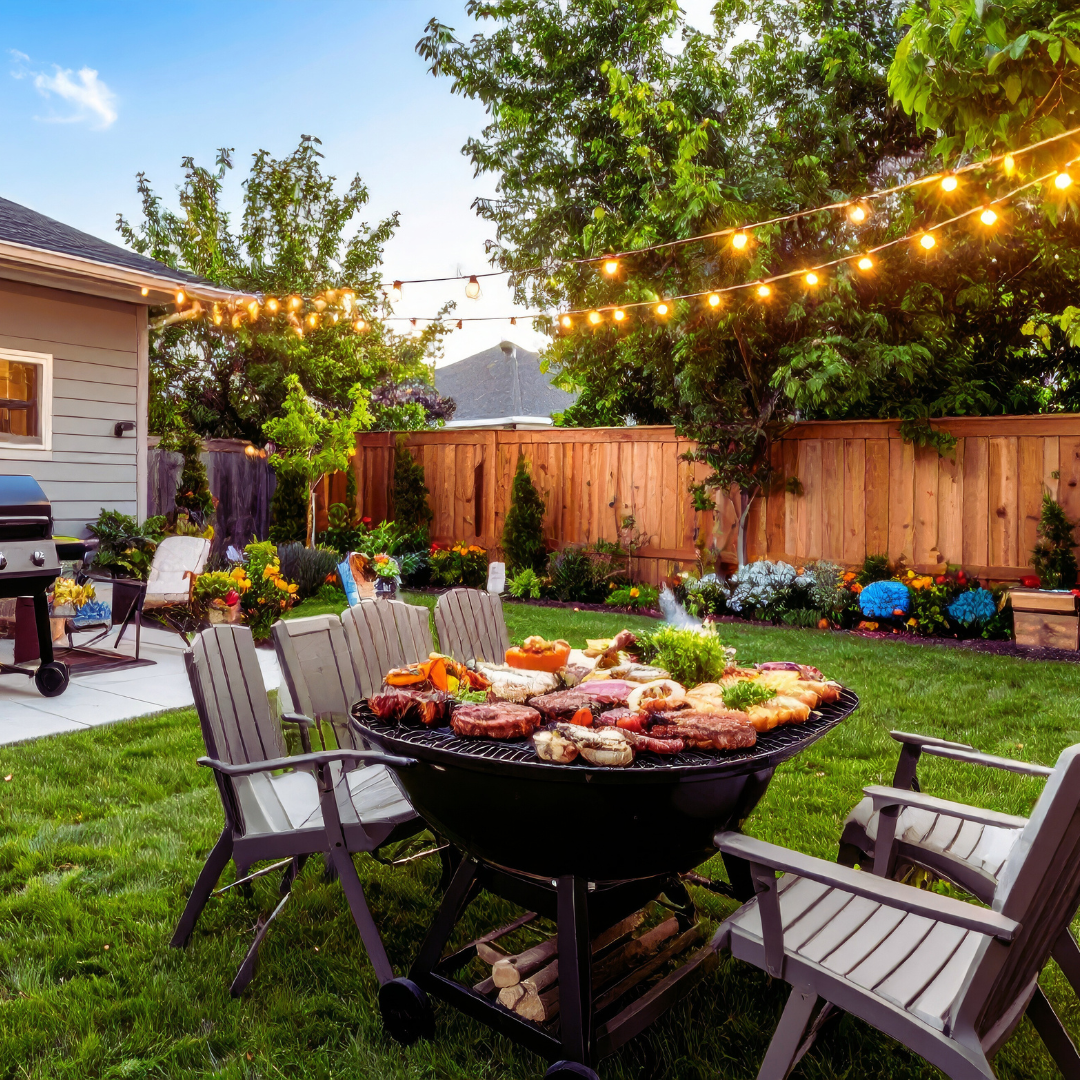
Effective lighting, such as solar-powered lanterns or string lights, adds warmth and usability after dark, supporting both dining and relaxing outdoors without raising costs significantly.
Using Wooden Pallets for DIY Solutions
Wooden pallets serve as a versatile base for many garden projects. They can be assembled into sofas, tables, or storage units with minimal tools. Their sturdy slats allow for comfortable seating once topped with foam and fabric.
Pallets can be stained or painted to match the garden’s colour scheme, improving durability and aesthetics. Their modular nature means pieces can be reconfigured as needs change over time.
With basic skills, this is an accessible option for creating customised outdoor furniture economically, while maintaining a rustic, natural look.
Enhancing Ambience and Wildlife Attraction
Creating a welcoming atmosphere and supporting local wildlife are achievable on a budget. Practical lighting, water elements, warmth sources, and nature-friendly features combine to enrich the garden experience without high costs.
Installing String Lights and Lanterns
String lights offer affordable, versatile lighting. They can be draped along fences, pergolas, or trees to provide soft, even illumination. Solar-powered options reduce electricity costs and simplify installation.
Lanterns add charm and can be hung or placed on tables and pathways. Using LED candles inside lanterns ensures safety and low maintenance. Mixing string lights with lanterns creates layers of light that enhance evening usability.
When selecting lights, consider warm tones for a cosy feel. Weatherproof materials increase durability, ensuring the features last through different seasons.
Designing Simple Water Features
Water features improve ambience and attract wildlife like birds and insects. Small, self-contained fountains or birdbaths are budget-friendly options suitable for limited spaces and easy to install.
A basic DIY option includes a container with a solar-powered pump to recycle water quietly. Positioning near seating or planting attracts local pollinators and birds.
Regular cleaning and refilling prevent stagnation. Even a shallow birdbath can effectively support urban wildlife if maintained properly.
Adding Fire Pits for Warmth
Fire pits extend garden use into chilly evenings. Simple designs using bricks or steel rings keep costs low and build time short.
Portable fire pits offer flexibility and can be stored when not in use. Using untreated hardwood and keeping fire pits away from flammable materials ensures safety.
Smoke control and local regulations should be checked before installation. Fire pits also encourage social interaction, creating a focal point for gatherings.
Encouraging Birds and Pollinators
Bird feeders placed in visible yet sheltered spots attract birds. Simple feeders made from recycled materials reduce costs and support local species.
Native flowering plants support pollinators by providing nectar and shelter. Avoiding pesticides is essential to maintaining a healthy insect population.
Combining feeders with water sources encourages longer visits. This integrated approach enhances both the garden’s ecology and the owner’s enjoyment.