Redecorating a space doesn’t require replacing every item or starting from scratch. Simple changes like updating soft furnishings, rearranging furniture, and adding new accessories can refresh a room significantly without major expense.
They can focus on small details such as lighting, colour accents, and artwork to create a noticeable difference. These strategies allow for a fresh look while preserving existing pieces.
This approach saves time, effort, and money, making interior updates manageable and efficient. It shows how subtle tweaks often have the greatest impact when done thoughtfully.
Begin With Decluttering and Evaluating Your Space
Clearing a space creates clarity and makes it easier to identify what fits and what can be reused. Assessing current possessions and how rooms function helps set a practical foundation for redecoration.
The Importance of a Tidy Home
A tidy home improves flow and showcases existing features without distractions. Clutter often hides potential, making rooms look smaller and chaotic.
Removing unnecessary items opens up surfaces and floors, allowing light and space to become more prominent. This not only improves aesthetics but also supports functionality. A clean slate helps decisions about layout, colour, and style feel more precise rather than reactive.
Deciding What to Keep and Repurpose
Careful evaluation is key when choosing what to retain. Items with good condition, timeless design, or sentimental value deserve consideration for reuse.
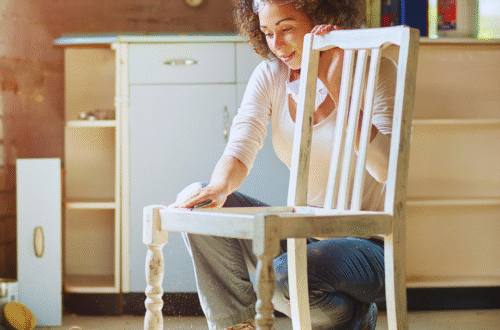
Furniture can be updated with new upholstery, paint, or repositioned to serve a different purpose. For example, a sturdy dining chair might become a unique desk chair with minimal adjustments.
Create a simple grid to categorise items:
| Keep | Repurpose | Remove |
| Solid condition | Needs minor repair | Damaged beyond use |
| Fits style | Can change function | No sentimental value |
| Useful | Enhances design | Excess duplicates |
This process prevents unnecessary purchases and respects budget and time constraints.
Marie Kondo-Inspired Decluttering Methods
Marie Kondo’s approach encourages holding onto possessions that “spark joy.” This helps people focus on emotional connection rather than utility alone.
She suggests thanking items before parting with them, fostering mindful decisions and respect for belongings. This attitude aligns well with interior design principles that prioritise quality and thoughtfulness over quantity.
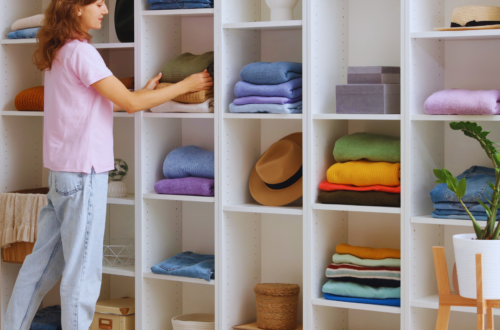
Her technique involves addressing one category at a time, such as clothes, books, or decor. This systematic approach stops the process from feeling overwhelming and creates clear milestones for progress. It’s effective for those tackling long-neglected spaces.
Rearranging and Repurposing What You Already Own
Changing the feel of a room doesn’t always need new purchases. Adjusting the placement of furniture, exploring existing items around the home, and finding new uses for accessories can transform a space effectively.
Reposition Furniture for a Fresh Layout
Moving furniture to different spots can immediately refresh a room’s look. For instance, positioning the sofa opposite a window instead of against a wall can enhance natural light and open up pathways.
Testing multiple placements allows for discovering a better flow. Avoid overcrowding by leaving clear walking spaces, aiming for at least 60cm wide routes. Consider focal points such as a fireplace or TV and arrange seating around these elements.
Using rugs to define zones helps separate areas without changing walls. Combining smaller seating pieces instead of one large sofa can create a more adaptable layout.
Shop Your Home for Hidden Gems
An interior designer often suggests “shopping your home” before buying new decor. This means identifying useful items not typically part of your current scheme.
Look beyond the obvious—baskets in storage rooms or decorative trays could become stylish organisers or display bases. Small furniture pieces from other rooms can shift function; a bedside table might work as a side table in the living room.
Artwork or mirrors tucked away in closets or cupboards can add personality when repositioned. Bring in textiles such as throws or cushions from other areas to introduce subtle changes in colour or texture.
Repurpose and Restyle Accessories
Accessories like lamps, baskets, and vases can have multiple uses. For example, a basket originally used for laundry can become a plant holder or storage for throws, adding texture and order.
Changing how accessories are grouped alters their impact. Group three to five items of varying heights on a shelf or table to create visual interest.
Reuse old frames by painting them and inserting fabric or wallpaper scraps for new wall hangings. Repurposing keeps costs low and sparks creativity, proving that simple changes can make a significant difference.
Refresh With Textiles, Lighting, and Greenery
Small changes in textiles, lighting, and plants can significantly alter a room’s character without the need for a full redesign. This approach helps inject style and freshness using simple, targeted updates.
Swap and Layer Throw Pillows and Textiles
Changing throw pillows is an efficient way to update a sofa or chair. Selecting cushions in different textures or patterns creates depth and interest. For instance, mixing velvet with linen covers adds contrast.
Layering textiles, such as adding a new throw blanket, can further refresh a space. Choose colours that complement existing decor to maintain cohesion. Rotating these items seasonally also keeps the room feeling current without major effort.
Update Lighting With Lamps and Fixtures
Lighting affects both mood and function. Replacing outdated lampshades or installing energy-efficient bulbs can brighten a room instantly. Consider cool white bulbs for workspaces and warmer shades for relaxation areas.
Switching existing light fixtures to more modern designs updates the room’s style. Simple changes, like swapping a basic ceiling light with a pendant lamp, transform the ambience. It’s best to prioritise practical placement alongside aesthetic appeal.
Introduce Plants and Vases for Natural Appeal
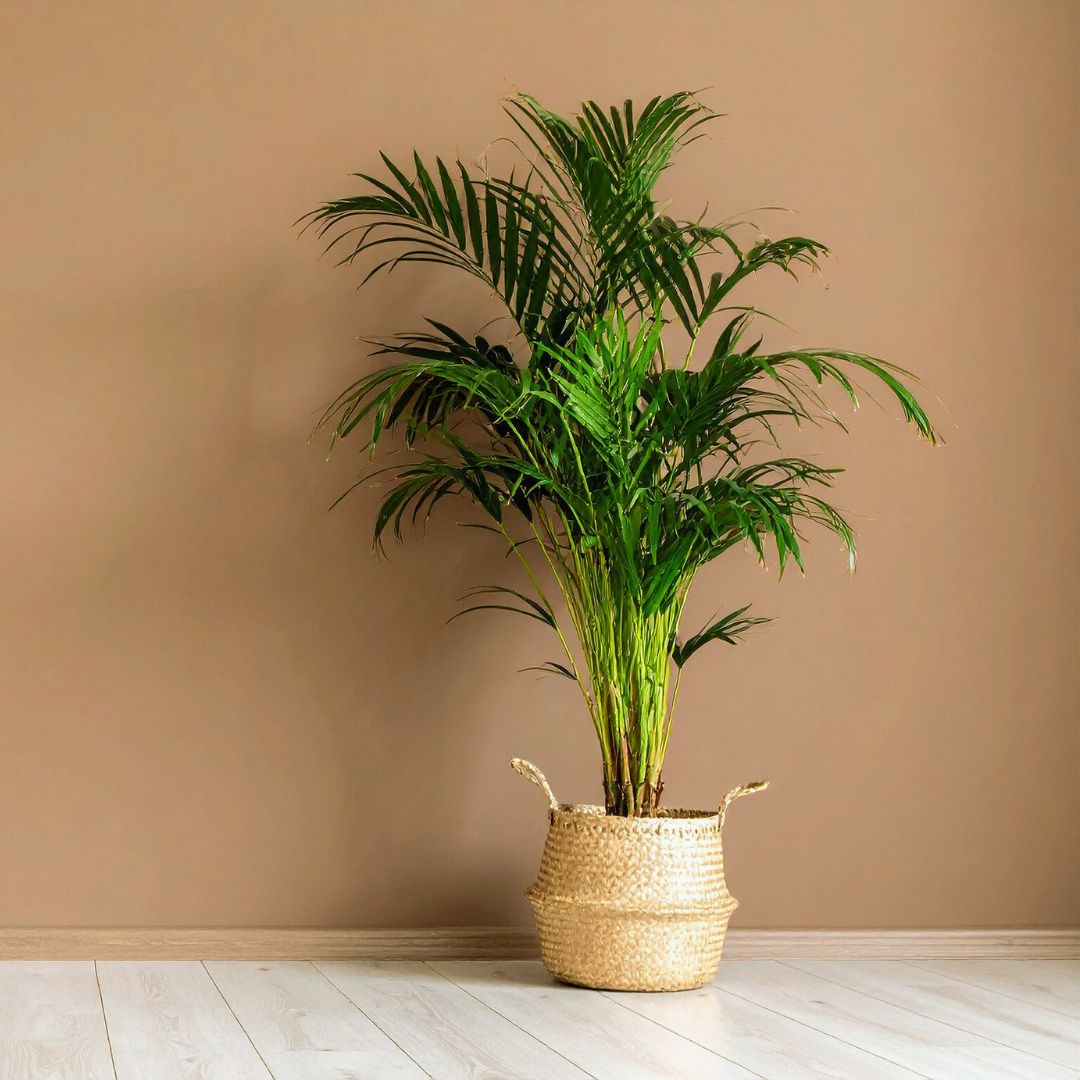
Adding greenery brings life and colour indoors. Using a variety of plants in different sizes contributes texture and vitality. If floor space is limited, make use of shelves or window sills for smaller pots.
Vases offer an opportunity to introduce decorative items that hold either fresh flowers or dried arrangements. Pick vases with clean lines or interesting shapes to complement the room’s design. Changing plants regularly keeps the display looking fresh.
Incorporate Floor Lamps and Table Lamps
Floor lamps provide adjustable lighting options and can fill dark corners effectively. Choosing models with slim profiles or metallic finishes works well in smaller rooms. A good floor lamp offers both task lighting and ambient glow.
Table lamps add warmth and detail to side tables or consoles. Mixing lamp styles, such as combining ceramic bases with linen shades, creates a balanced look. Position table lamps strategically to highlight artwork or seating areas.
Personal Touches and Creative Display Ideas
Small adjustments can refresh a space without costly replacements. Using items already at home in new ways, focusing on standout pieces, and applying solid interior design principles ensures a cohesive and personal look.
Use Everyday Items as Decorative Art
Everyday objects can transform into unique decor. Glass jars and bottles become elegant vases when grouped together with freshly cut or dried flowers. Old books can be stacked to create varying heights for displaying smaller ornaments or candles.
Kitchen utensils like wooden spoons or trays can hang as wall art or be repurposed as decorative shelves. Using textiles such as scarves or patterned tea towels to drape furniture or frame as art draws interest without extra expense.
Repurposing personal items adds character that mass-produced decor cannot replicate. This approach is sustainable and encourages creativity while maintaining functionality around the home.
Create Focal Points With Existing Decor
Focal points anchor a room. Rearranging or spotlighting existing objects can refocus attention. For example, positioning a favourite armchair beside a window with a floor lamp highlights the seating area as a cosy nook.
Using a large vase as a statement piece on a table or mantel can instantly draw the eye. Grouping smaller items, such as candles or picture frames, into tidy clusters also creates visual interest.
Rotating artwork or photographs changes the mood without new purchases. Lighting adjustments like adding dimmers or spotlights enhance these focal points while elevating overall ambience.
Consult Interior Design Principles for Cohesion
Consistency in colour, texture, and scale creates harmony. Drawing on principles like the rule of thirds helps in placing décor strategically to balance the room’s layout.
Choosing a colour scheme from existing elements, like cushions or curtains, unifies mismatched pieces. Mixing textures—such as smooth ceramics with soft fabrics—adds depth without cluttering the space.
Maintaining scale and proportion avoids overcrowding. For instance, balancing a large vase with smaller accessories prevents visual overload. Applying these methods ensures personalised decor feels intentional and polished.